
25 Jun. 2026 - 12:00
Decoding the response to cell death
Carla Rothlin, PhD, Yale University
25 Jun. 2026 - 12:00
Carla Rothlin, PhD, Yale University
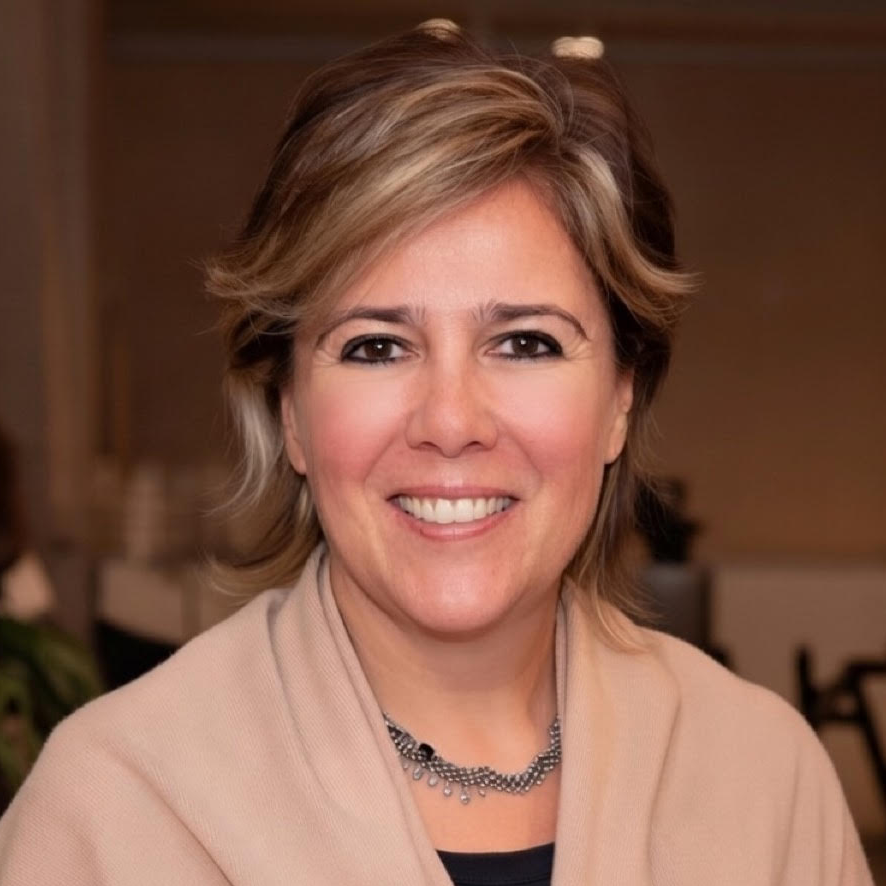
Inês Ramos, PhD, Tissue Immunity Lab
Seminar Room
Cell death is an invariant feature throughout our lifespan, starting with extensive scheduled cell death during morphogenesis and continuing with death under homeostasis in adult tissues. Additionally, cells become victims of accidental, unscheduled death following injury and infection. Cell death in each of these occasions triggers specific and specialized responses in the living cells that surround them or are attracted to the dying/dead cells. These responses sculpt tissues during morphogenesis, replenish lost cells in homeostasis to maintain tissue/system function, and repair damaged tissues after injury. Wherein lies the information that sets in motion the cascade of effector responses culminating in remodeling, renewal or repair? I will attempt to provide a framework for thinking about cell death in terms of the specific effector responses that accompanies various modalities of cell death. I will also propose an integrated three-fold “cell death code” consisting of information intrinsic to the dying/dead cell, the surroundings of the dying cell and the identity of the responder.
Carla V. Rothlin, Ph.D. is Director of the Center for Immunology at the University of Minnesota, Andersen Chair in Immunology at the Masonic Cancer Center, and Professor in the Department of Laboratory Medicine and Pathology. She studied Biochemistry and Pharmacy at the University of Buenos Aires, where she also completed her graduate studies under the direction of Dr. Ana Belén Elgoyhen on nicotinic receptors expressed in the inner ear. Following her Ph.D., she joined Dr. Greg Lemke’s laboratory at the Salk Institute for Biological Studies as a PEW Latin American Fellow. Dr. Rothlin began her independent career at Yale School of Medicine in 2009, where she rose through the ranks to become the Dorys McConnell Duberg Professor of Immunobiology and Pharmacology, co-leader of the Cancer Immunology Program at the Yale Cancer Center, and co-director of a research laboratory with Dr. Sourav Ghosh (Professor of Neurology and Pharmacology). During her 16 years at Yale, she also served as Director of Graduate Studies in Immunobiology. Her research program focuses on the mechanisms that underlie the regulation of inflammation and the homeostatic control of immune function. Dr. Rothlin’s contributions have been recognized by numerous foundations, including the Pew Charitable Trusts and the Howard Hughes Medical Institute.
Register here.
Champalimaud Research (CR) Colloquia Series is a seminar programme organised by the Champalimaud Centre for the Unknown to promote the discussion about the most interesting and significant questions in neuroscience and physiology & cancer with appointed speakers by the CR Community.

