
01 Oct. 2026 - 12:00
Temporal adaptations of neural stem cells during metabolic stress
Alex Gould, PhD, Francis Crick Institute
01 Oct. 2026 - 12:00
Alex Gould, PhD, Francis Crick Institute
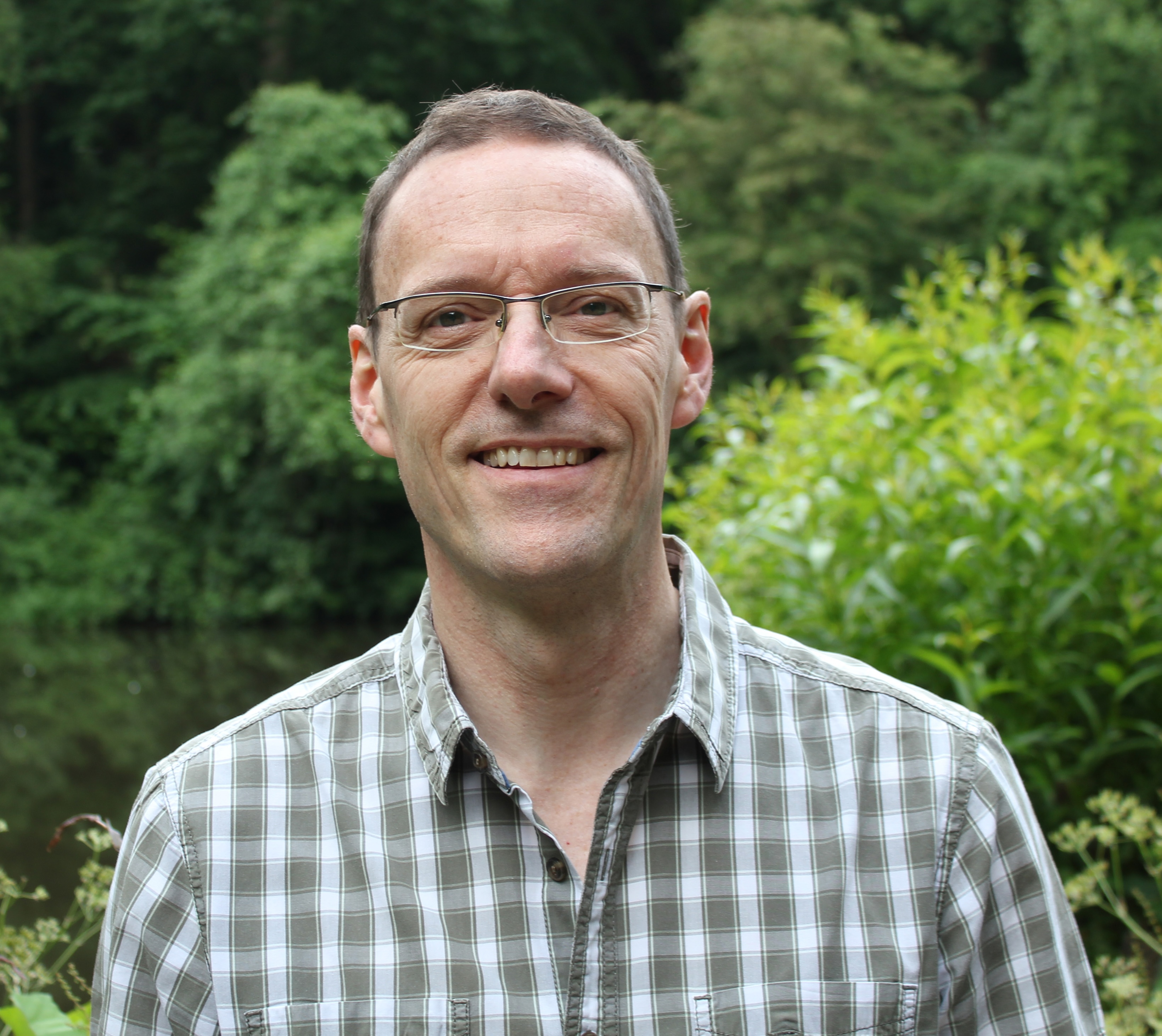
Christa Rhiner, PhD, Stem cells and regeneration Lab
Seminar Room
Fetal growth restriction affects one in seven pregnancies. It is often accompanied by brain sparing — a compensatory redistribution of growth that prioritizes the brain over peripheral organs. This is a critical adaptive response but how it works has remained unclear. For several years, our lab has sought to identify cellular and molecular mechanisms for brain sparing in Drosophila and mammals. Recently, we characterized brain sparing in maternal malnutrition and hypoxia models of fetal growth restriction in mice. In both models, we find that the embryonic tempo of neurogenesis is slowed. This strategy conserves proliferative neural stem cells (radial glia), enabling late-born progeny neurons and glia to catch up during subsequent development. We also recently identified an allostatic signaling mechanism for brain sparing in mice, revealing how neural stem cells temporally adapt to metabolic stress to safeguard the developing brain. To understand brain sparing with greater precision, we are now developing new tools for tagging and tracing metabolism at single-cell resolution.
Register here.
Champalimaud Research (CR) Colloquia Series is a seminar programme organised by the Champalimaud Centre for the Unknown to promote the discussion about the most interesting and significant questions in neuroscience and physiology & cancer with appointed speakers by the CR Community.

