
26 November 2026
Effective treatment for depression may be underused in Portugal
Study reveals disparities in the use of electroconvulsive therapy across Europe. In Denmark, this treatment is used 20 times more frequently than in Portugal.
26 November 2026
Study reveals disparities in the use of electroconvulsive therapy across Europe. In Denmark, this treatment is used 20 times more frequently than in Portugal.
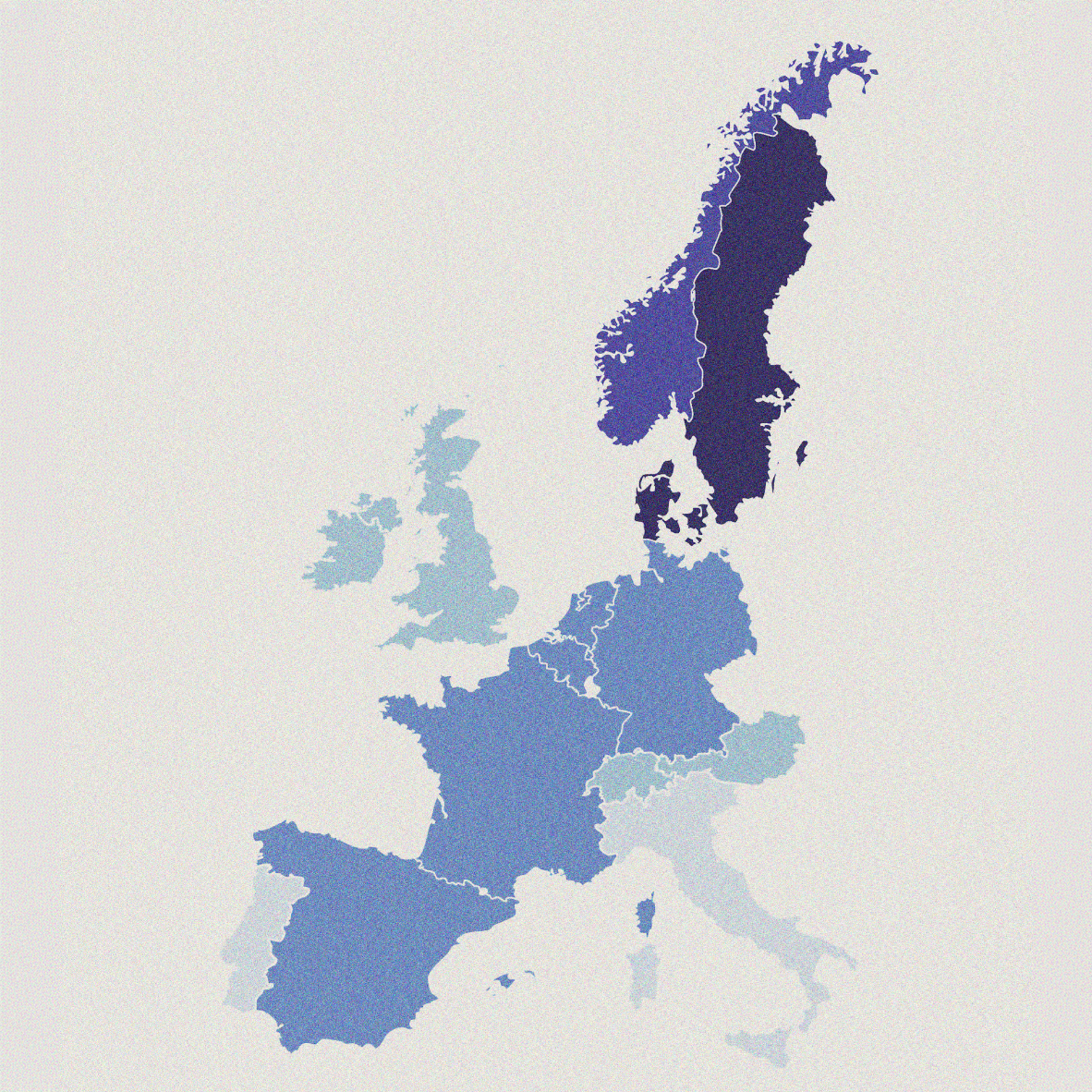
A study involving three Portuguese doctors, published in the scientific journal European Psychiatry, reveals significant disparities in the use of electroconvulsive therapy (ECT), commonly known as electroshock therapy, across several European countries, particularly between the Nordic countries and Western Europe.
These wide variations suggest that, in Portugal, along with some other Southern European countries, this treatment may be underused, with limited access for patients who, if they lived in Northern Europe, might receive this effective and clinically indicated treatment. The warning comes from a group of European experts, including researchers from the Faculty of Medicine of the University of Porto (FMUP) and the Champalimaud Foundation.
In Portugal, 204 patients received ECT while admitted to public hospitals in 2024, representing an estimated annual rate of 19.1 patients per million inhabitants. By contrast, in the Nordic countries, this rate exceeds 200 patients per million inhabitants. Denmark, for example, recorded 383 patients per million inhabitants treated with ECT in 2024. Across the other countries analysed, annual rates of ECT use range from 31 to 87 patients per million inhabitants. Only Italy has a lower rate than Portugal (2.7 per million).
Across the 15 European countries included in the study, including Portugal, the main indication for ECT is depression. “ECT is one of the most effective interventions available in psychiatry, particularly for severe depressive episodes, including cases involving psychotic and catatonic symptoms, suicide risk or the need for a rapid therapeutic response,” explains Manuel Gonçalves Pinho, Professor of Psychiatry at the Faculty of Medicine of the University of Porto (FMUP).
“Although the optimal rate of ECT use is not known, the differences between European countries suggest that patients are being deprived of vital medical care. There are countries where this treatment is used 20 times more frequently than in Portugal! These are striking figures. We need to ensure that this life-saving treatment is available to those who need it,” says Albino J. Oliveira-Maia, Director of the Digital Neurotherapeutics Centre at the Champalimaud Foundation and Professor of Psychiatry at NOVA University Lisbon.
The authors caution, however, that the Portuguese rate may be an underestimate, as it only includes patients admitted to public hospitals, excluding outpatient treatment and procedures carried out in the private sector. The study also reports that Portugal currently has 25 ECT centres, eight of which are in the private sector.
According to the researchers, establishing a national ECT registry would, for the first time, provide a more accurate picture of how this treatment is used in Portugal and help identify potential regional inequalities. “One of the goals is to ensure that all patients for whom ECT is clinically indicated can access this well-established, effective treatment in a timely manner,” says Manuel Gonçalves Pinho.
This newly published study proposed that the underuse of ECT may be partly explained by the stigma associated with the treatment's early history and the way it has been portrayed in films and the media. Tackling this stigma will require better information about how ECT is performed today.
“Today, ECT is performed under general anaesthesia, with medical and anaesthetic monitoring, in a highly controlled environment. Patients do not feel pain or the electrical stimulus itself. Giving patients and their families the opportunity to understand the procedure, ask questions and, whenever possible, meet the teams who perform it can help replace outdated, historically rooted and caricatured perceptions,” explains Manuel Gonçalves Pinho.
Albino J. Oliveira-Maia adds: “This treatment has been used for decades, and it is now clear that it reduces mortality from suicide and other causes among people living with depression. It is deeply concerning that access to it remains so limited.”
The study was conducted across 15 countries: Portugal, Italy, Denmark, Finland, Sweden, Norway, the Netherlands, Belgium, Germany, Spain, France, Switzerland, Ireland, the United Kingdom and Austria.
Led by Richard Braithwaite (Brighton and Sussex Medical School, UK) and George Kirov (Cardiff University, UK), the research brought together a large international team of specialists. The Portuguese contributors included doctors and researchers Manuel Gonçalves-Pinho, from FMUP; Albino J. Oliveira-Maia, from the Champalimaud Foundation; and Pedro Frias, from the Baixo Alentejo Local Health Unit/National School of Public Health.
