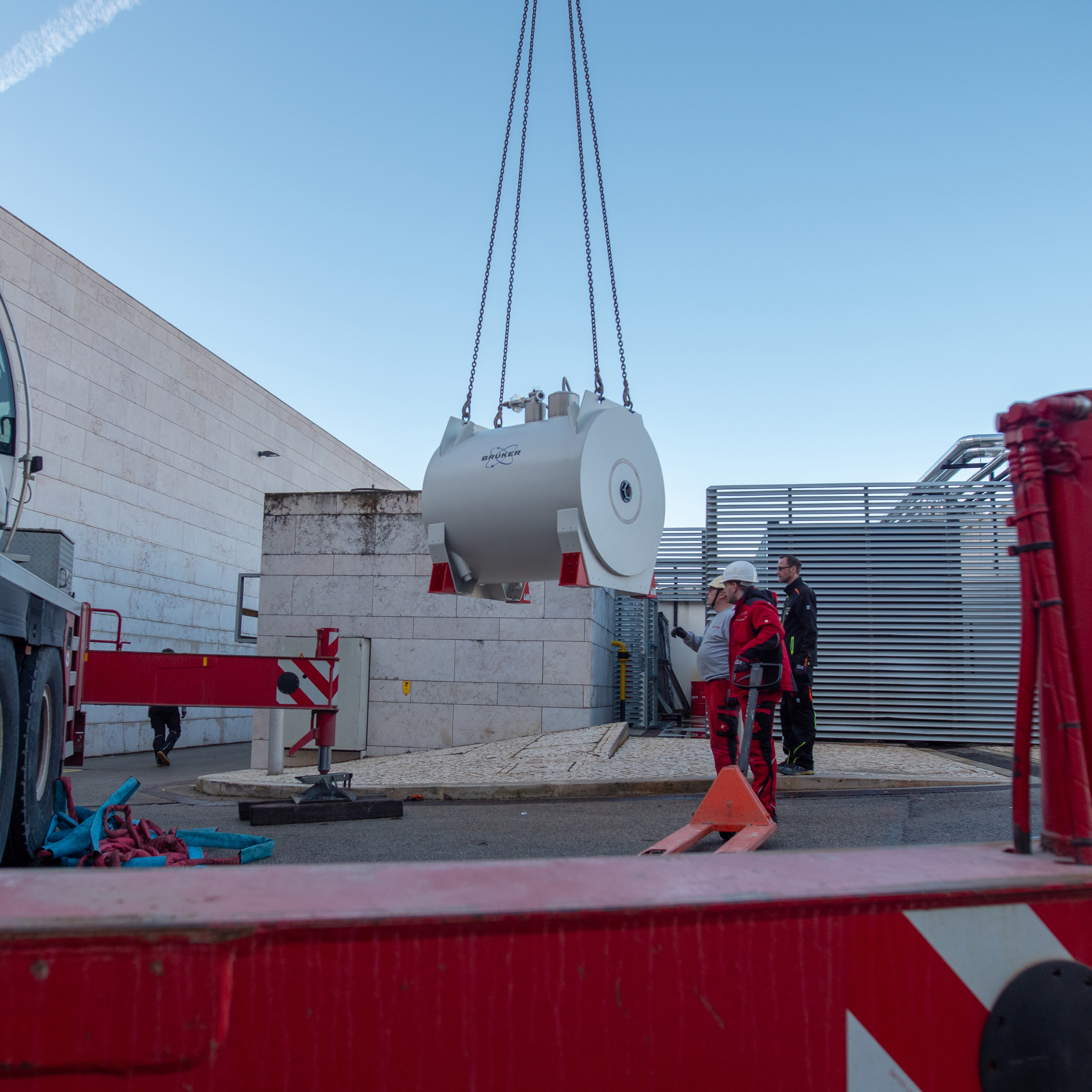
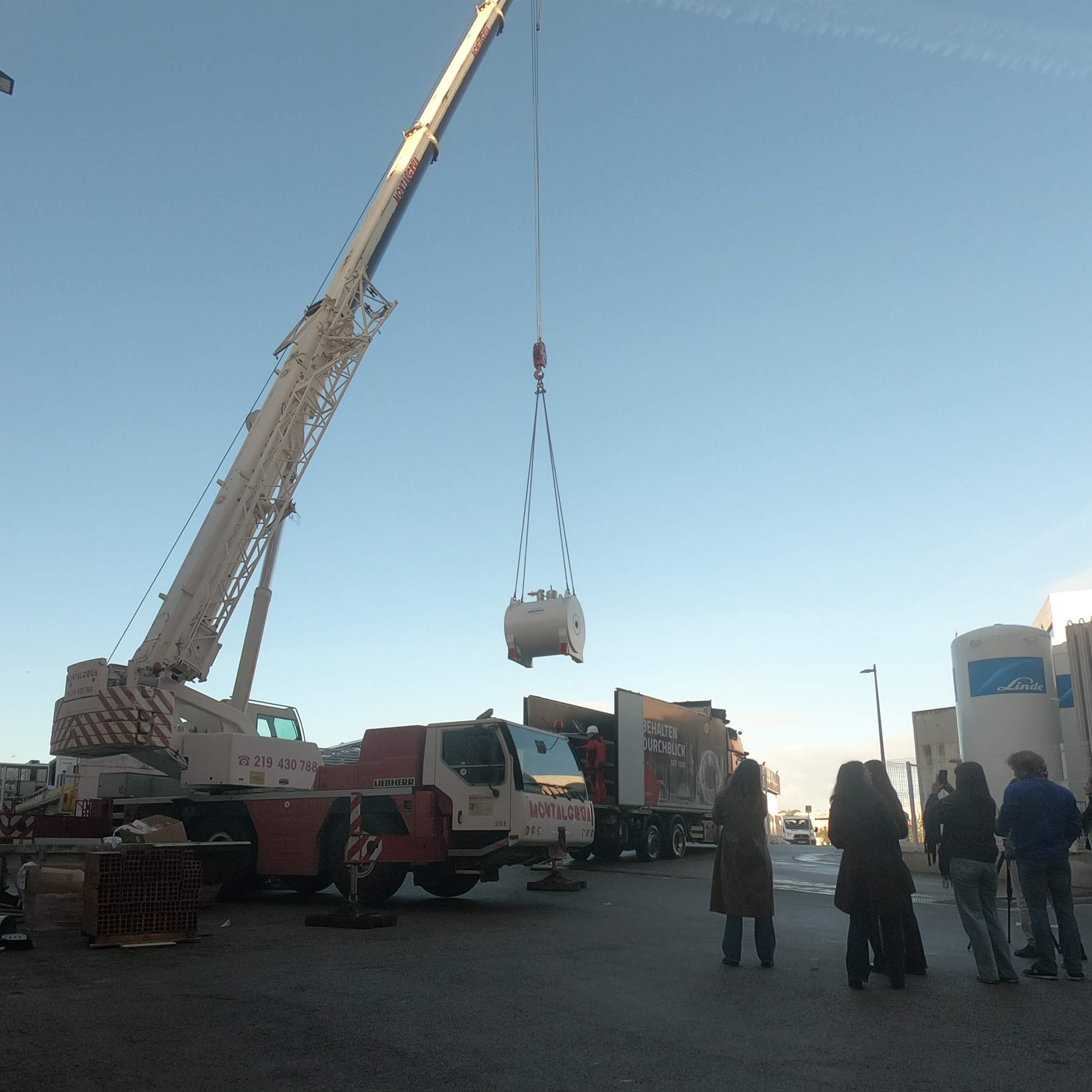
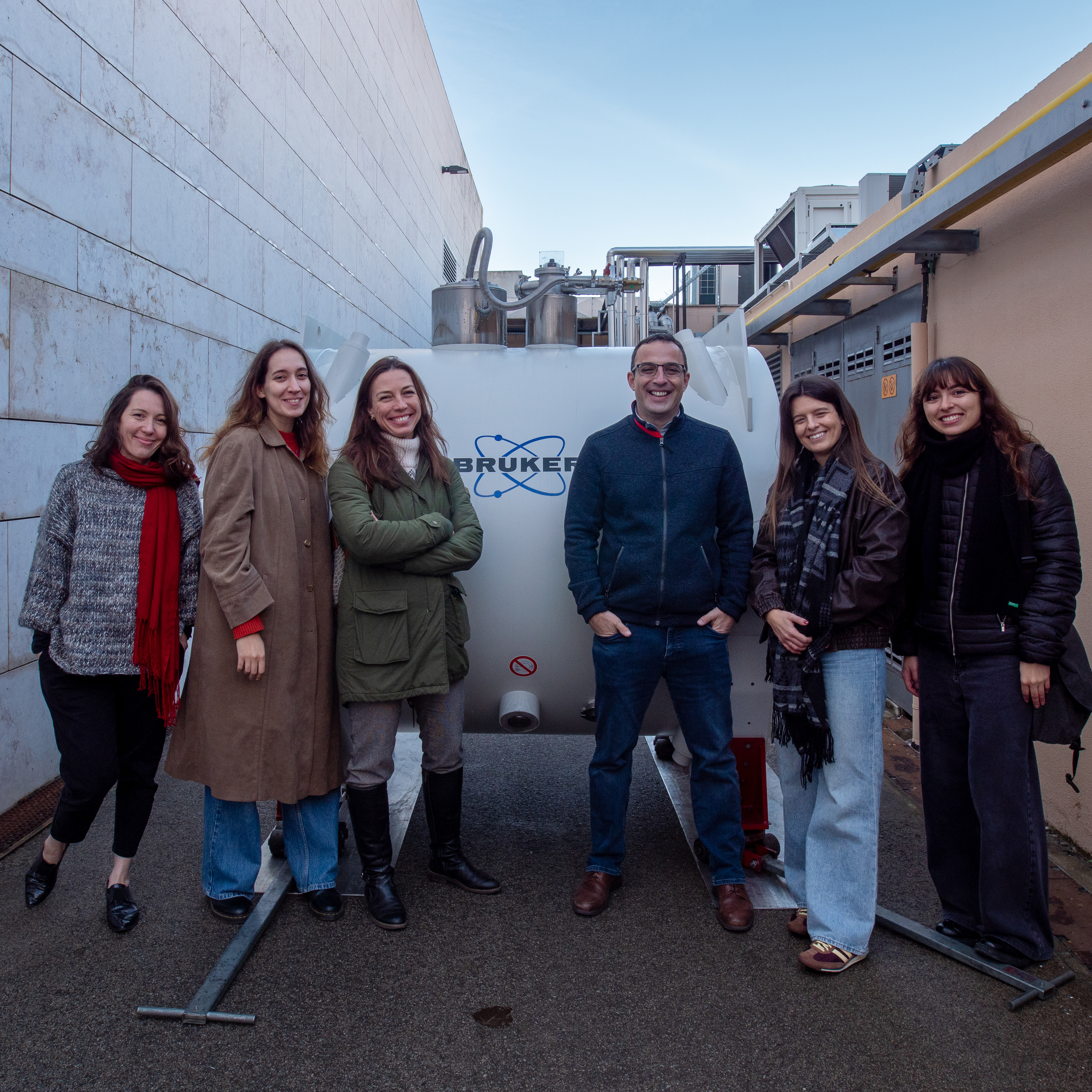
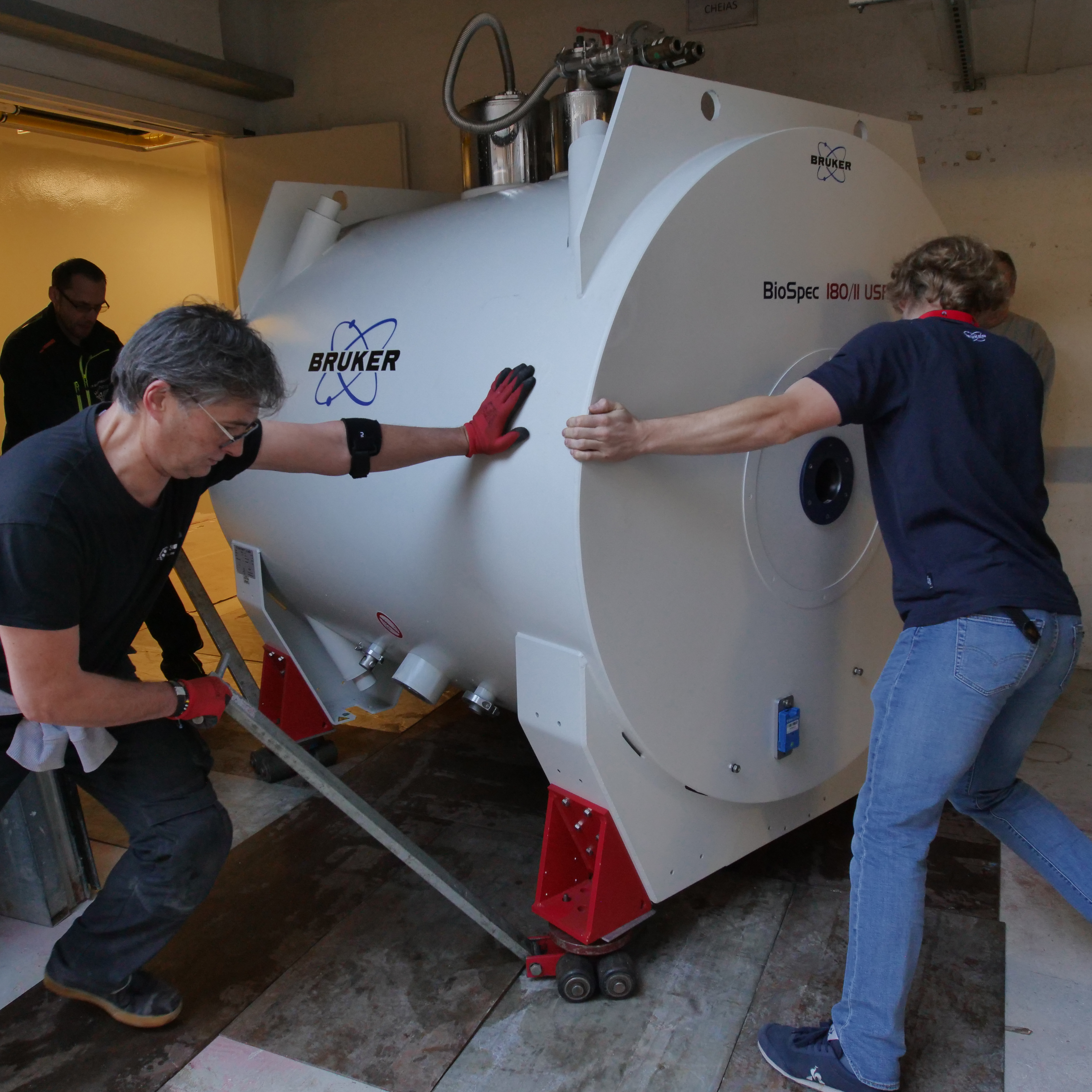
The Champalimaud Foundation installed a new 18-Tesla horizontal-bore MRI scanner, custom-built in Germany at the Pre-Clinical MRI Lab, a team led by Principal Investigator Noam Shemesh. The system is the strongest horizontal-bore MRI scanner constructed to date and is currently the only one of its kind.
“This is the most powerful system in the world for in-vivo imaging,” says Shemesh. “By combining an exceptionally strong magnetic field with signal-boosting cryogenic coils, this equipment enables capabilities that have not been available before.”
According to Shemesh, the scanner is expected to provide new levels of spatial and temporal resolution in living systems. “The 18T scanner is envisioned to serve as the first in-vivo microscope. Its field strength and coil architecture will open windows into biological processes at scales that have been difficult to reach until now.”
The system is anticipated to enable a broad range of research.
In neuroscience, the system will allow high-resolution mapping of fast neural dynamics in vivo, including the observation of the development and progression of Alzheimer’s-related plaques (clumps of a protein fragment called beta-amyloid that build up outside nerve cells in the brain).
In cancer research, the scanner will enable visualisation of how individual cells give rise to tumours and metastases, early biological events that remain below the detection limits of conventional imaging. This is expected to be particularly valuable in studies of pancreatic cancer, where early-stage disease processes are typically inaccessible, and may support the evaluation of new therapeutic strategies during the earliest phases of disease development.
“Overall, the scanner will facilitate research ranging from models of Parkinson’s, Alzheimer’s, and stroke to studies of brain tumours and metastasis,” Shemesh adds. “It will meaningfully expand what can be measured non-invasively in living organisms.”
The new 18T system will complement the Champalimaud Foundation’s existing ultrahigh-field instruments: the 16.4 Tesla (700 MHz) vertical-bore Aeon MRI scanner, used primarily for ex-vivo studies, and the 9.4 Tesla (400 MHz) horizontal-bore scanner installed in 2015.
Text by Teresa Fernandes, Co-coordinator of the Champalimaud Foundation's Communication, Events & Outreach Team.