Short-Term Residency Programme
Bridges to the Unknown hosts a programme of short-term Art-Science Residencies, inviting artists to work for a short period of time (1-2 months) on a specific project or idea to develop in collaboration with researchers and/or health professionals at the Champalimaud Center for the Unknown.
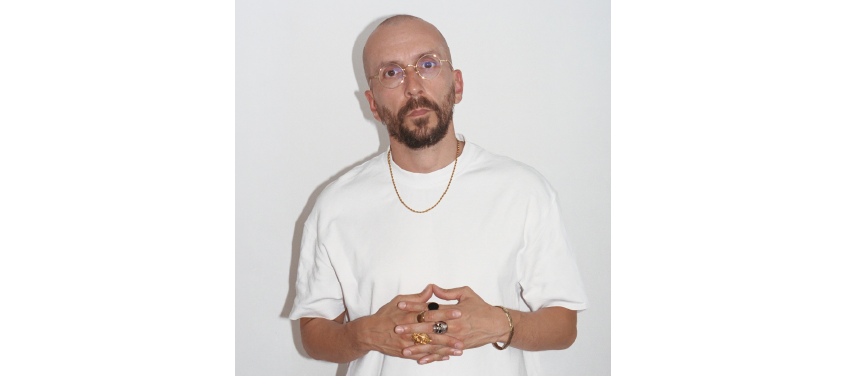
Marina Thomé - March-June 2026
Marina Thomé is a visual artist and filmmaker based in Lisbon and São Paulo. Marina works as a director, researcher, and editor for multimedia platforms and experiments with portraits, archives, and soundscapes. Her films have been presented in festivals in France, USA, Portugal, Spain, Germany, Colombia, and elsewhere, including the Margaret Mead Film Festival in New York and Festival Biarritz Latin America in France. She is the co-founder of Estúdio CRUA, an award-winning production company that connects new media and social impact.
Marina holds masters degrees in Creative Documentary (Universitat Autònoma de Barcelona) and in Communication, Art & Technology (Centro Universitário Belas Artes de São Paulo). She studied photojournalism and storytelling at the International Center of Photography (New York) and has taught multiplatform storytelling at art institutions in Brazil, Portugal, and Spain. She showcased video installations in museums across Brazil, Spain, and Portugal, including Lisbon’s Museum of Natural History, Arquipélago Contemporary Arts Centre (Azores) and the Museum of the University of Alicante (Spain). She is currently developing the feature-length film Red Skies, to be released in 2027, with the support of the Calouste Gulbenkian Foundation and the Portuguese Society of Authors.
Instagram: @ceuvermelho_redskies; Website: www.marinathome.com.br
About the Art-Science Residency:
At the age of 39, I was diagnosed with a malignant tumor in the lower quadrant of my right breast. A few months later, in April 2020, the Anak Krakatoa volcano erupted in Indonesia. Watching the repeated waves of lava breaking through the surface left a deep impression on me.
Encountering the work of the researcher Ana Luisa Correa from Champalimaud Research felt like another spark being lit. A scientist of my generation, she investigates why dormant breast cancer cells can, at times, remain inactive for years. It is precisely this unpredictability that we explore together in this art-science residency: in stained cell samples, laboratory tools, and technical terms rendered in capital letters. The project reflects on science through a human lens of transformation, tracing connections between microscopic processes and lived experience. Developed in close dialogue with co-curator Marcia Mansur, Céu Vermelho unfolds as a space where artistic research and scientific inquiry converge.
The project emerges from five years of research and will culminate in a feature-length documentary film and a video installation to be presented at the Champalimaud Foundation. The residency seeks to offer a critical lens on the intersections of science, trauma, and art. Beyond my own experience, the project explores the meanings carried by the disease and how it shapes women’s lives across multiple dimensions.
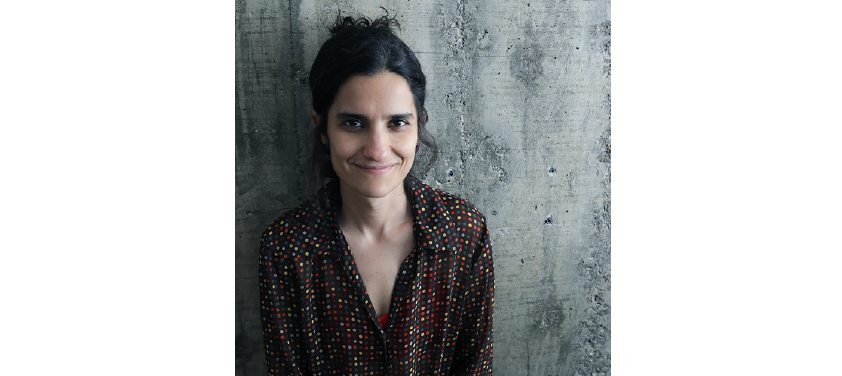
Olivier Perriquet - March-April 2026
Olivier Perriquet is an independent research artist who explores the phenomenology of light and time as lived experience, through cinematic forms. His practice adopts a performative approach to cinema, regarding the medium as a set of instruments and situations to be altered and reconfigured, according to principles akin to ‘extended techniques’ in music. His work is presented in the experimental and expanded cinema scene and in experimental improvised music, as well as in museums, galleries, and festivals across Europe, the Americas, and Asia, both in solo performances and installations and in collaboration with musicians.
With a PhD in computational biology and a background in pure mathematics, he worked in artificial intelligence at the University of Lisbon. He is Professor of Visual Arts in Chalon-sur-Saône and supervises research at Le Fresnoy, co-directing art-science programmes that bring together artists, philosophers, and scientists, leading to exhibitions and symposia with major French institutions.
Instagram: @Pedide; Website: Cesium-133; Virtual worlds: https://visualworlds.net
About the Art-Science Residency:
The project explores how subjective experience may emerge in non human beings, with a particular focus on visual perception. It is inspired by Thomas Nagel's seminal essay ‘What Is It Like to Be a Bat?’, which addresses the difficulty, if not the impossibility, of accessing another being’s subjective experience, especially when their sensory apparatus differs fundamentally from that of humans. It also draws on feminist epistemologies, notably the work of Donna Haraway and Sandra Harding, who approach knowledge as situated, embodied, and inseparable from the conditions of its production.
Simulations often attempt to represent how different animals see the world around them. Some illustrate how bees or crustaceans perceive their surroundings through compound eyes, while others depict how birds experience color with four types of cones instead of the three found in human eyes. The limitation of such strategies lies in their representational nature. They offer interpretations rather than lived, phenomenological encounters.
This artistic project shifts the focus away from representing what perception might look like and instead toward creating conditions for direct experiential engagement, inviting audiences to sense and navigate perceptual modalities different from their own. It begins with a one-month exploratory phase at Champalimaud Research, developed in close dialogue with neuroscientists; through observation of laboratory practices and an exchange of methods and perspectives, this phase will inform the development of an artistic prototype investigating the emergence of perceptual experience, laying the foundation for a future artwork.
Apneia Colectiva - January-March 2026
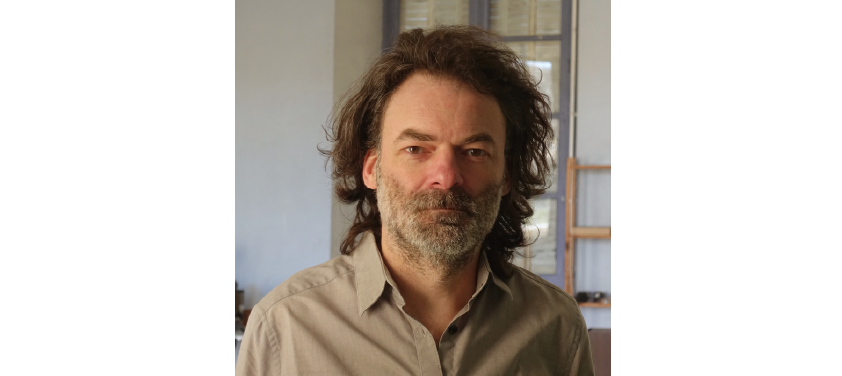
Apneia Colectiva is a cultural association based in Lisbon and founded in 2019, currently consisting of Ana Trincão (1), Andresa Soares (2), Elizabete Francisca (3), Joana Levi (4), Julia Salem (5), and Tiago Gandra (6). This collective seeks a cooperative model for the production and management of artistic practices and related activities that will ensure a sustainable working future and continuous activity for its members, based on the sharing of resources and the collective construction of systems of organization, research, and artistic creation. To date, Apneia Colectiva has developed projects such as O Que Pisamos (complete cycle at Penha Sco and Procur.arte 2024, reruns at Festival Temps d’Images and Linha de Fuga); F.E.R.A Feira de Edições Realizadas por Artistas (Festival Pedra Dura, Lagos 2024; Festival Interferências, 2023; #EncontroZINE, A Mata, 2022); Cadeia de Transmissão (PenhaSco, 2020 and Festival Paragem, Carvoeiro, 2021). These projects were supported by DGArtes, CMLisboa, Fundação GDA, and Garantir Cultura.
Website: Apneia Colectiva
About the Art-Science Residency:
This partnership with Bridges to the Unknown invites each member of Apneia Colectiva to engage with different scientists working at the Champalimaud Centre for the Unknown, at different times and in different formats during the creative process of the ANDAR DORMIR COMER FALAR project, providing an environment for the exchange of knowledge and the development of research that crosses the boundaries between arts and science. Apneia Colectiva proposes an investigation into situations and contexts that underpin our lives, as well as (de)conditioning as a reformulation of artistic and experiential practices, exploring everyday actions as a starting point for subverting social and cultural conditioning. Through psychophysical and sensory practices, the project questions the norms of everyday life. With a multidisciplinary approach, the artists explore different states of consciousness, perception, communication, and the relationship between the body and space.
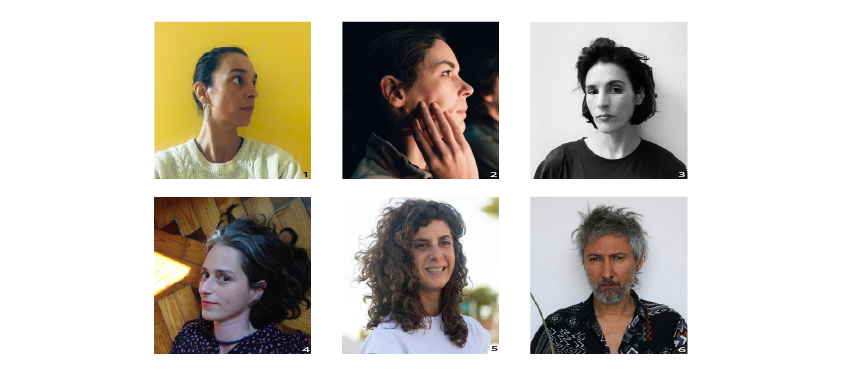
António-Pedro - Setembro-Dezembro 2025
António-Pedro is a Lisbon-based musician, filmmaker, multidisciplinary artist.
He is the co-artistic director of Caótica, where he brings together music, cinema, and performing arts. He is interested in biography in its broad and political sense: how can a life, whether yours or that of others, summon, universalize and question the future of societies?
“Sopa Nuvem” (MOMIX show award in 2014), “Crevescer”, “My Macau” and “4 Olhos” (commissioned by the Calouste Gulbenkian Foundation) are some of his multidisciplinary works. He directed “O Homem da Bicicleta — Diário de Macau”, “Carta Branca”, “Nzila Ngola” and other movies and video installations. His works were selected and awarded in a variety of national and international festivals. His first feature film, “Mississipis,” premieres in theaters in June 2025. In addition, António has composed around 50 soundtracks, including for films by Ivo M. Ferreira, Leonor Noivo or Margarida Leitão, and performances by Filipa Francisco, Vera Mantero, Ainhoa Vidal, Cie Sac à Dos (Belgium), Turak (France), or Teatro Meridional. He has played and recorded with João Afonso, Jon Luz, Clara Andermatt and João Lucas, João Paulo Esteves da Silva, Pedro Gonçalves, Ricardo Jacinto, Moz Carrapa, and Eduardo Raon.
With Margarida Mestre, he co-created “Poemas para Bocas Pequenas” (Poems for Small Mouths), an audiobook published by BOCA and included in the White Ravens 2016 international catalog. He regularly performs in Portugal and has taken his work to France, Spain, Italy, Belgium, Switzerland, Germany, Brazil, Serbia, Ireland, Wales, Macau, Angola, and Mozambique. He holds a degree in Sociology, studied Theater and Film at Universidade Nova de Lisboa, and Music at Hot Clube de Portugal and at the Drummers Collective in New York.
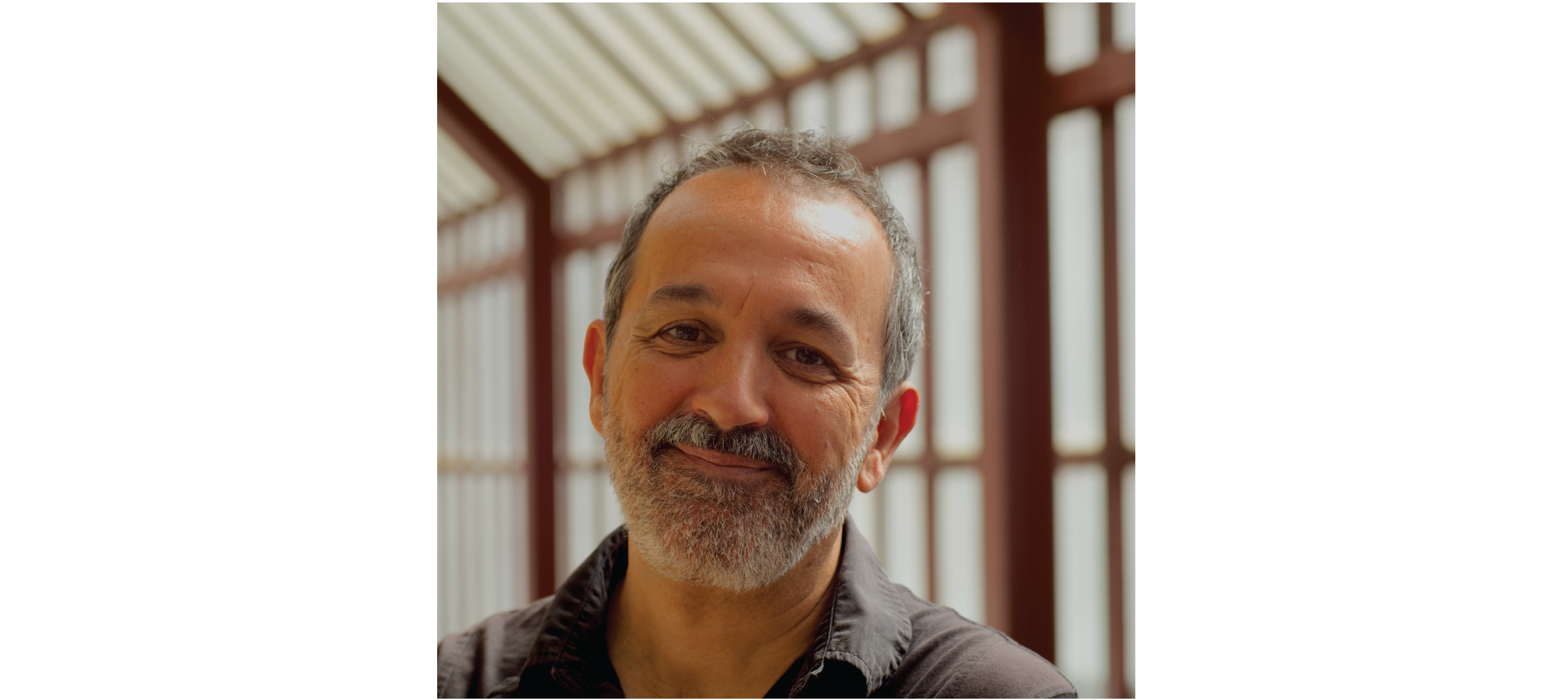
Nuno Cera - Dezembro 2024/Janeiro 2025
Nuno Cera is a Lisbon-based photographer and video artist.
Nuno Cera's work operates at the intersection of art and documentary and addresses three fundamental forms of change: natural, spatial and temporal. His long-term research projects involve different agents and collaborators, including scientists, writers and critics. His work has been exhibited and published internationally in various cultural institutions.
Cera has been a resident artist in Berlin (Künstlerhaus Bethanien), New York (ISCP International Studios and Curatorial Program), Paris (Recollet) and Macau (Fundação Oriente). In 2003, together with the architect Diogo Seixas Lopes, he published the book Cimêncio, a survey of suburban landscapes. He was nominated for the BESPhoto prize in 2004. Between 2007 and 2010 he carried out the Futureland project, an artistic investigation into urban growth in nine suburbs. In 2012 he received a grant from the XX edition of the Fundación Marcelino Botín, Santander, with the project Sinfonia do Desconhecido (Symphony of the Unknown I). In 2019 he received support from the Dgartes – Ministério da Cultura / República Portuguesa for the video installation Sinfonia do Desconhecido II and in 2023 for the video installation Cérebros Distantes (Distant Brains). He received support from the Calouste Gulbenkian Foundation in 2023 for the Acid Flamingo project.
Nuno Cera was one of the artists invited to represent Portugal at the Venice Architecture Biennale Public without rhetoric (2018) and Metaflux (2004).
About the Art-Science Residency:
This residency forms part of the ongoing artistic investigation Cérebros Distantes / Distant Brains (2023–2025). The project explores the evolving interplay between robots, humans, and plants, envisioning an archaeology of the present. Developed in collaboration with curator Julia Albani and architect researcher Joana Rafael, the work unfolds as a series of episodes, where robots engage with other intelligent species in diverse settings such as factories, universities, and laboratories. The project culminates in a video installation and a photographic series, offering a lens on the intersections of technology, intelligence, and our shared environments.
This project is supported by the Portuguese Republic - Ministry of Culture / DGArtes, and also includes collaborations with the Systems and Robotics Laboratory of the Instituto Superior Técnico, University of Lisbon; 1825 - Research Studio for Architectural Visualization, Lisbon; the Berlin Botanical Garden, Germany; and Volkswagen Aktiengesellschaft, Wolfsburg.
"As an artist, I strive to create experiences that encourage the public to reflect on pressing contemporary issues, based on the belief that artistic expression contributes meaningfully to our intellectual and social growth." – Nuno Cera
Instagram: @nunocera; Website: nunocera.com
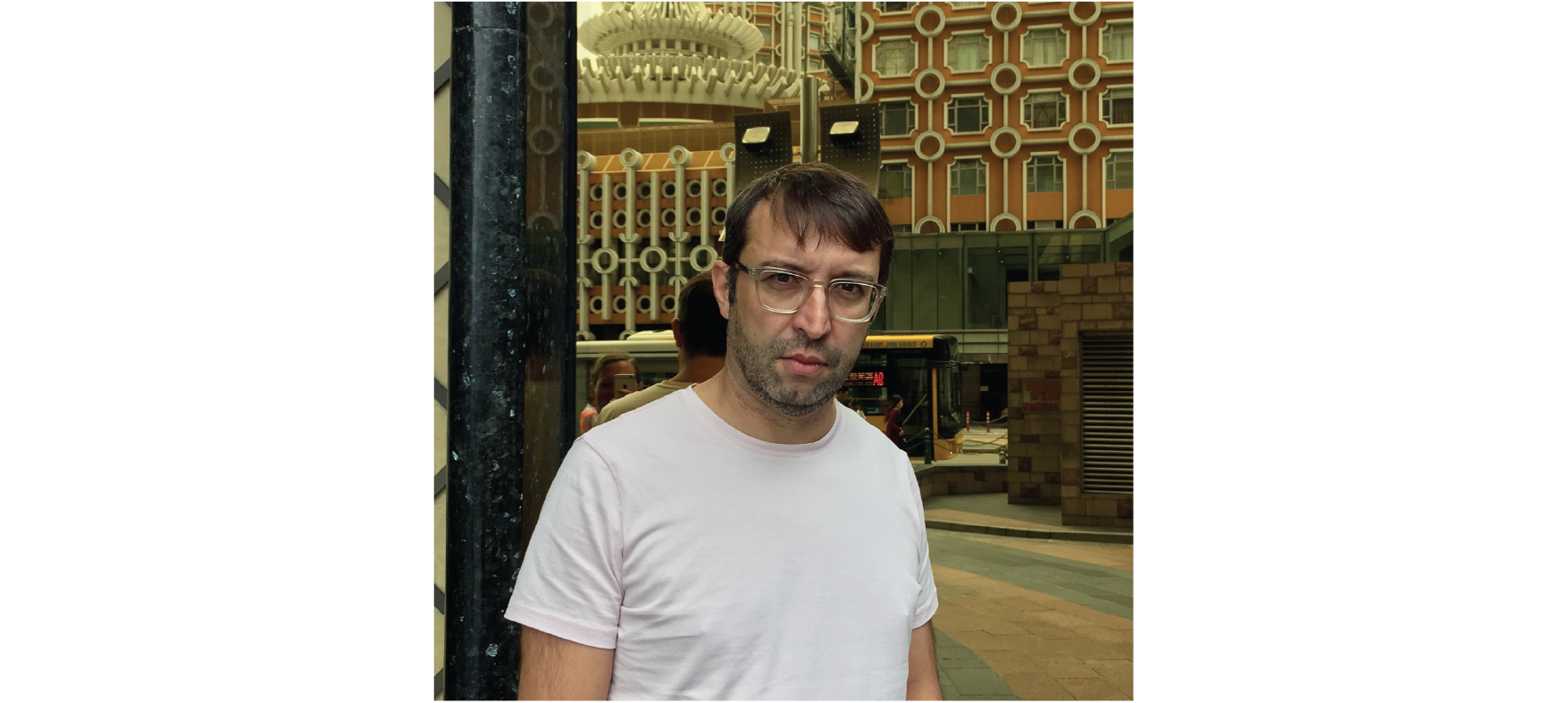
Opiyo Okach - February/March 2024
Opiyo Okach is a performer, choreographer and media designer. He is artistic director of GaaraProjects. He divides his time & develops work between France and Kenya.
His work explores and interrogates the ways we perceive and relate to each other across our differences of body, culture, geography & conviction. He is renowned for his work with improvisation and instant composition. In recent times he has been developing a multidisciplinary process at the intersections of live performance and digital creation.
His work has toured in Africa, Brazil, Europe & the US and been presented at a wide range of venues and festivals including Panorama de Dança in Rio, Dancespace New York, Festival Avignon, Rencontres chorégraphiques de Seine-Saint-Denis, Dance Umbrella, Yerba Buena Centre for the Arts in San Francisco, Theater der Welt, Pact Zollverein in Germany.
Through numerous initiatives he has acted as a catalyst for the development of dance in East Africa and continues to support the emergence of a new generation of dance artists. He recently initiated ‘Performance Lab Nairobi’ - a collaborative platform for contemporary creation process at the GoDown Arts Centre in Nairobi.
He has received numerous awards including the ‘Rencontres chorégraphiques de l’Afrique et de l’océan Indien’, the ‘prix du Nouveau Talent Chorégraphiques SACD’ as well as a ‘Prince Claus Award for Culture and Development’.
About the Art-Science Residency:
This residency is a creative collaboration between Opiyo Okach, Nicklas Fricke and the Immersive AI Systems group at Champalimaud Foundation. During the residency we will research and develop a new choreographic language and process integrating dance and artificial intelligence. Working with dance improvisation, motion tracking and generative AI we will explore relationships and develop interactions between the body and the sonic, spatial and visual environments.
Mobility for this residency is supported by the European Union and implemented by Goethe Institut. Space for creation and rehearsal supported by Studio Rudolfo Quintas.
Instagram: @okachopiyo; Website: gaaraprojects.com
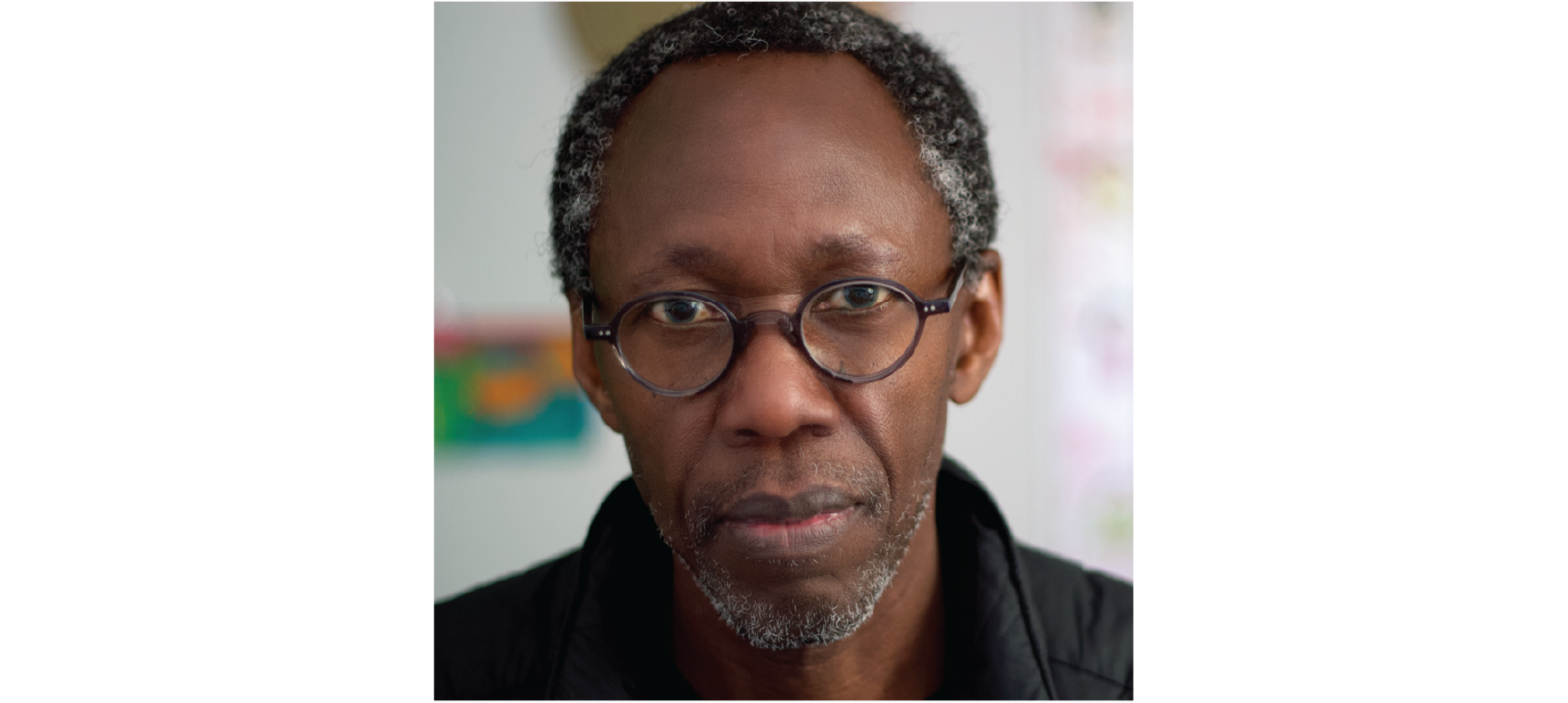
Jonathan Uliel Saldanha - December 2022/January 2023
Jonathan Uliel Saldanha is a composer, visual artist, and stage director. His work explores themes such as pre-language, cybernetics, animism, and speculative environments through sound, performance, and installation. In 2024, he presented his first large-scale solo exhibition at Galeria Municipal do Porto, titled SURFACE DISORDER, and published a book of the same name, distributed by Mousse Publishing. Between 2020 and 2022, as an associate artist at Teatro Municipal do Porto, he presented works such as Red Mercury, Lithium Faust, and Libidinal Lake. His work has been exhibited at institutions such as the Serralves Museum, Palais de Tokyo, and CCB.
Founder of the collective SOOPA, Saldanha leads the musical projects HHY & The Macumbas and HHY & The Kampala Unit. His music has been presented at festivals such as Unsound, Roskilde, Rewire, and CTM, with releases on labels such as Nyege Nyege, Tzadik, and House of Mythology.
Jonathan Uliel Saldanha is represented by Galeria Duarte Sequeira.
Website: Jonathan Uliel Saldanha; Instagram: jonathan.uliel.saldanha